
18+ Years of Experience
10,000+ Surgeries
TRIPLE INTERNATIONAL FELLOWSHIP-
TRAINED IN UK & CANADA
SPECIALIST-ACCREDITED IN
SINGAPORE & CANADA
18+ Years of Experience
10,000+ Surgeries
TRIPLE INTERNATIONAL FELLOWSHIP -
TRAINED IN UK & CANADA
SPECIALIST-ACCREDITED IN
SINGAPORE & CANADA
Performing cataract surgery is a privilege I hold in high regard. Not only does it restore clarity of vision to individuals, it also provides greater freedom from spectacles. Each patient has unique preferences, visual needs, and lifestyle goals, which is why we take a personalised approach to every treatment.
Our consultation and diagnostic process is thorough, supported by technology, and guided by evidence-based care. Patient safety and outcomes are always our top priority. My team and I are here to support you every step of the way, and I look forward to meeting you in person!
Dr Errol Chan
Medical Director & Senior Consultant
Ophthalmologist
Ascend Eye Clinic
Are You Experiencing These Symptoms of Cataract?
If you experience any of these symptoms, consult with us to see if cataracts are the cause and discuss potential treatment options.

Difficulty with daily activities
You may also struggle with everyday tasks like reading, using mobile phones or computers, or driving. Reduced vision increases risk for accidents.

Difficulty seeing at night
Your night vision is affected, impairing your ability to drive at night or see in low-light conditions.

Fading of colours
Colours may appear dull or yellowed in your vision, affecting your ability to distinguish between different hues.

Sensitivity to light
Bright lights, such as sunlight or headlights, cause discomfort and glare.

Scattering of light
The cataract in the affected eye causes the scattering and bending of light, resulting in halos that appear around light sources, especially at night.

Changes to prescription glasses
You may need to change your glasses prescription frequently as your vision deteriorates.
Not Sure If You Have a Cataract?
Take the First Step. Schedule Your Comprehensive Cataract Screening
If you are struggling with glare, faded colours, difficulty reading, or challenges with driving, a comprehensive eye screening can help determine the cause of your vision changes. Experiencing these symptoms does not always mean you have cataracts; a detailed clinical assessment is required for an accurate diagnosis.
At Ascend Eye Clinic, we assess each aspect of your eye health to pinpoint the cause of your vision changes. The assessment results help determine whether a change in prescription glasses is suitable or whether surgical options, such as lens implants, should be explored.
Our comprehensive screening is the first step toward reclaiming your vision. You will leave your consultation with peace of mind and a tailored treatment plan designed specifically for your lifestyle and visual goals.
What is a Cataract?
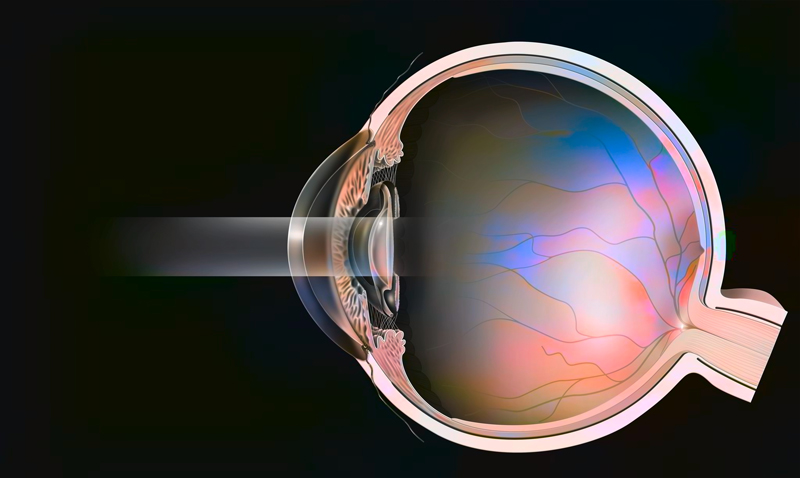
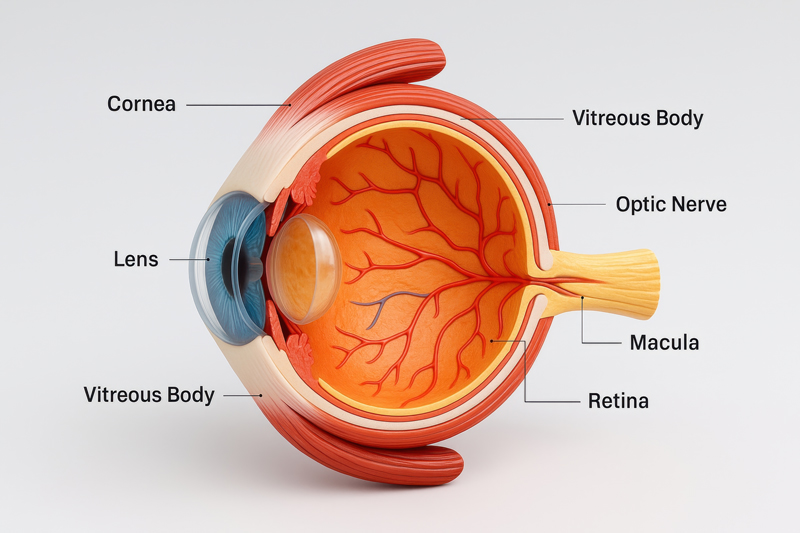
A cataract is an eye condition where the crystalline lens of the eye becomes more cloudy, leading to blurry vision. Cataracts are caused most commonly by aging, but can be also triggered by eye injuries, prior eye surgery, diabetes, steroid use or radiation.

The new implant not only restores clarity of vision but also corrects refractive errors, such as myopia (short-sightedness), hyperopia (long-sightedness), astigmatism (散光) and presbyopia (老花), providing you with a comprehensive vision solution.
Your Treatment Options for Cataract Surgery
Standard Cataract Surgery
Standard cataract surgery, also known as phacoemulsification, is an effective and widely used procedure that offers reliable outcomes and a swift recovery process. This treatment involves the use of an ultrasound probe placed into the eye to break up and remove the cloudy lens, followed by insertion of a clear artificial lens implant so that clarity of vision is restored.
Bladeless Cataract Surgery
Bladeless cataract surgery, also known as femtosecond laser-assisted cataract surgery (FLACS), involves using a focused femtosecond laser to perform specific steps in the cataract removal procedure. FLACS can offer several potential advantages over standard cataract surgery:
- Reduced risks in cases of complex, hard cataracts as laser replaces ultrasound in breaking the cataract.
- A gentler approach because minimal ultrasound energy is used, benefitting faster recovery.
- Improved correction of refractive errors because of more precise lens placement.
Matching the Right Lens Implant to the Patient
The use of premium lens implants in cataract surgery has transformed how we correct vision, providing not only clarity but less dependence on spectacles and contact lenses.
We Specialise in these Cataract and Lens Implant Procedures

Standard
Cataract Surgery
Standard cataract surgery involves removing the clouded natural lens of the eye and replacing it with a clear artificial intraocular lens (IOL). The procedure is done using ultrasound energy (phacoemulsification) through a small incision. It is effective in restoring
clarity of vision.

Presbyopia and Astigmatism-Correcting Lens Implants
Multifocal, EDoF and toric premium lens implants enhance spectacle-independence by addressing both presbyopia
and astigmatism.
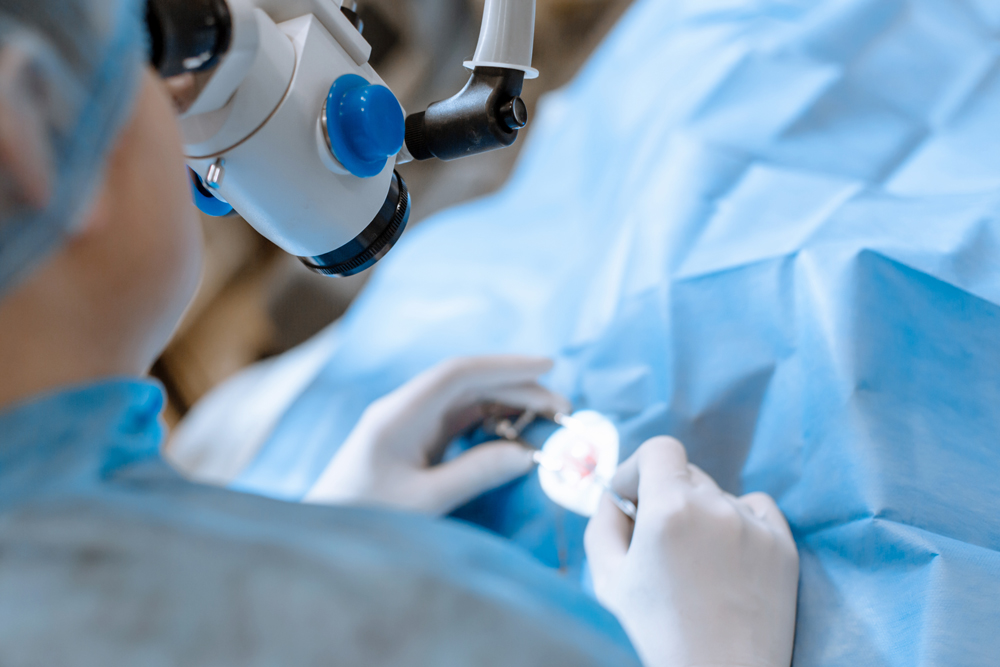
Bladeless
Cataract Surgery
Femtosecond laser-assisted cataract surgery (FLACS), or bladeless cataract surgery, uses a precise laser to perform specific steps in cataract surgery. This technology improves surgical accuracy, reduces the risks of complex cataract surgery, and may offer faster recovery.

Complex and High-Risk Cataract Surgery
Surgery for posterior polar, dislocated and mature cataracts, cataracts if you have had previous LASIK/PRK or ICL, or cataracts with other co-existing eye conditions (glaucoma, retinal or corneal diseases, uveitis or squints), or medical conditions.
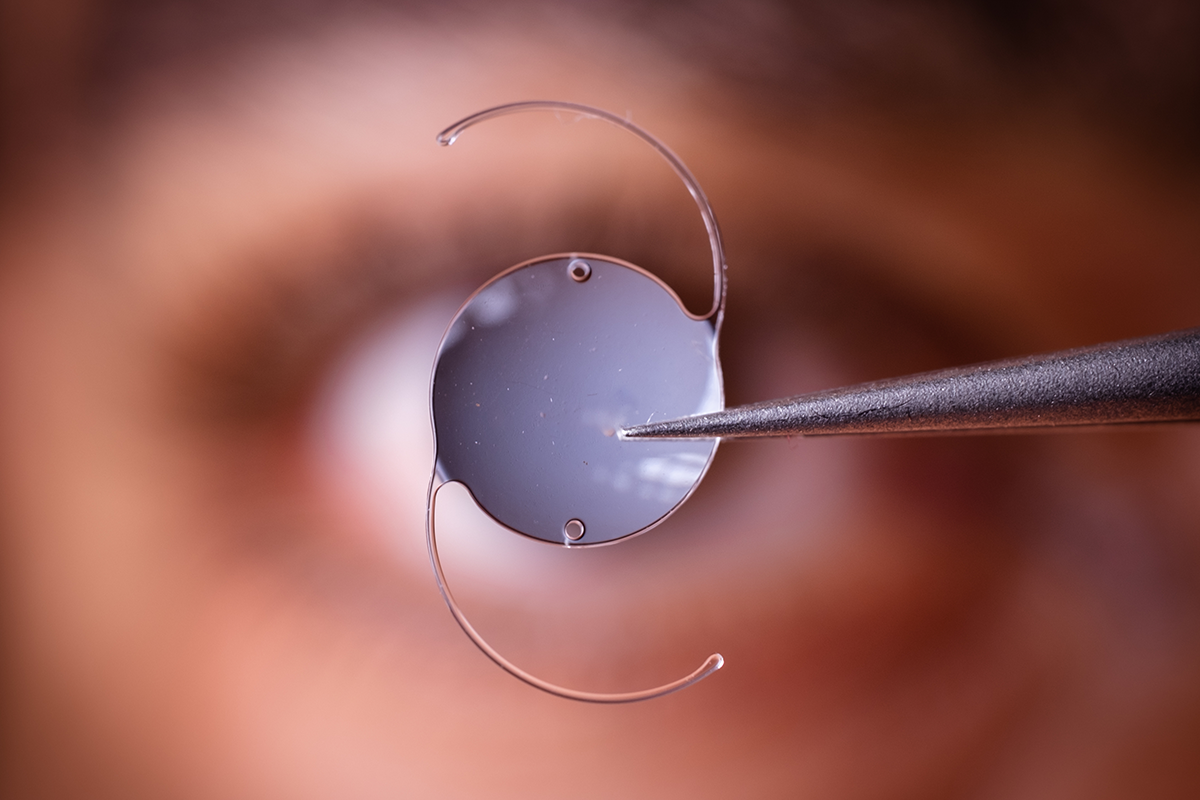
Secondary Lens
Implant Surgery
Surgery for individuals who have had cataract surgery before, but now have dislocation of the intraocular lens implant. We perform lens implant exchange and restore vision with iris- and scleral-fixated lens implants.
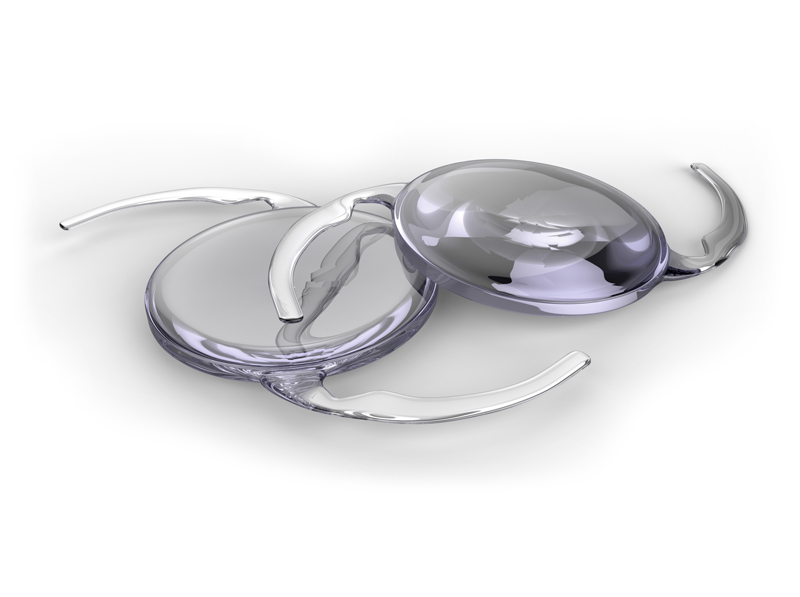
Supplementary
Lens Implant Surgery
For patients who have had cataract surgery before, and the outcome has not been optimal because of residual astigmatism, myopia or hyperopia, or even reading vision difficulties, supplementary lens implant surgery is an option to address these issues.
YAG
Capsulotomy
After a few years from cataract surgery, YAG capsulotomy may need to be performed to "polish" the lens implant. This is a rapid procedure to improve vision.
Cataract Surgery Combined
with Glaucoma Surgery
Glaucoma can be managed concurrently with cataracts with combined surgery. To lower intraocular pressure and reduce reliance on glaucoma medications, minimally-invasive glaucoma surgery (MIGS), trabeculectomy, or glaucoma drainage implants can be performed.
Cataract Surgery Combined
with Retinal Surgery
Retinal conditions like epiretinal membrane or macular holes are concurrently managed with cataract surgery, facilitating a single surgical procedure addressing both conditions.

Why Choose Private Cataract Surgery at Ascend Eye Clinic?

Consultation Process
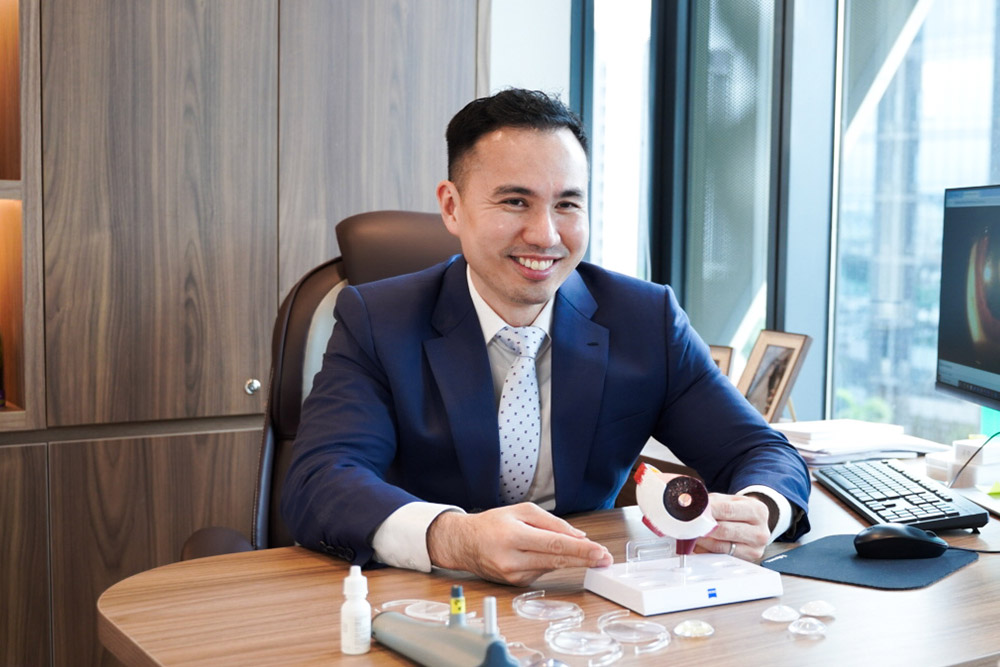
Consultations with your cataract surgeon are structured to dedicate time for discussion. Our Medical Director and Senior Consultant Ophthalmologist, Dr Errol Chan, is available to address your questions regarding eye surgery.

Ease of Scheduling
We understand that your time is valuable. Especially for individuals with tight schedules, we offer an easy scheduling process. We can accommodate your cataract surgery at your convenience, even on short notice, minimising disruptions to your busy life.

Individualised Vision Planning
Dr Errol Chan provides an individualised approach to every patient, tailoring cataract surgery and vision correction to suit their activities and lifestyle. We dedicate time to understand how your symptoms affect your daily life, such as reading, driving, or computer use, and to discuss your preferences regarding spectacle use. We explain the features, pros, and cons of your lens implant options, provide a recommended choice, and ensure clarity about your overall treatment plan.

Accessible Healthcare Coverage
Worried about the cost of private healthcare? Ascend Eye Clinic is on multiple Integrated Shield Plans and Corporate insurance panels, which may assist with the cost of cataract surgery. Medisave coverage may also be utilised for your cataract surgery journey with us. We provide financial counselling, electronic filing of claims, and assistance with insurance claims documentation.
Meet our ophthalmologist
Dr Errol Chan
Dr Chan is Medical Director and Consultant Ophthalmologist at Ascend Eye Clinic. He is an experienced Ophthalmologist with an international experience caring for patients with complex eye diseases. He has gained specialty expertise at internationally-renowned tertiary academic eye centres and is a high-volume eye, cataract and vitreoretinal surgeon.
Dr Chan’s clinical practice has a strong focus on cataract surgery. With his extensive experience and a commitment to personalised care, he offers a comprehensive range of cataract-related treatments tailored to meet the unique needs of his patients.
He has more than 18 years of clinical experience and has performed more than 10,000 eye surgeries.
Qualifications
- National University of Singapore, MBBS with Distinction
- Royal College of Ophthalmologists, UK
- Royal College of Surgeons, Edinburgh
- Royal College of Physicians and Surgeons of Glasgow
- Royal College of Physicians and Surgeons of Canada
Professional Memberships
- American Academy of Ophthalmology
- American Society of Retinal Specialists
- European Society of Cataract and Refractive Surgeons
Fellowships
- Moorfields Eye Hospital London, UK - Advanced Vitreoretinal Surgery Fellowship
- Moorfields Eye Hospital London, UK - Medical Retina & Uveitis Fellowship
- McGill University, Canada - Vitreoretinal Surgery & Diseases Fellowship
Clinical Stints
- Optegra Eye Hospital London, UK - Cataract and Refractive Surgery
- Great Ormond Street Hospital for Children, UK - Paediatric Opthamology
Here's Why You Should Choose Ascend Eye Clinic

Customised Treatment Plans
Every patient’s condition, lifestyle, and goals are unique — and so should their care. We take the time to listen, understand, and evaluate your needs in detail. From there, we develop a tailored treatment plan that delivers the most ideal outcomes.

Compassionate Patient-Centered Care
For most of us, our vision is our most valued sense. Whether you are a senior, of working age, or the parent of a child who needs help, we will prioritise understanding your case and determining the most suitable treatment to improve or preserve your vision. We welcome complex cases as we care about you, your sight and your future.

Powered By Technology
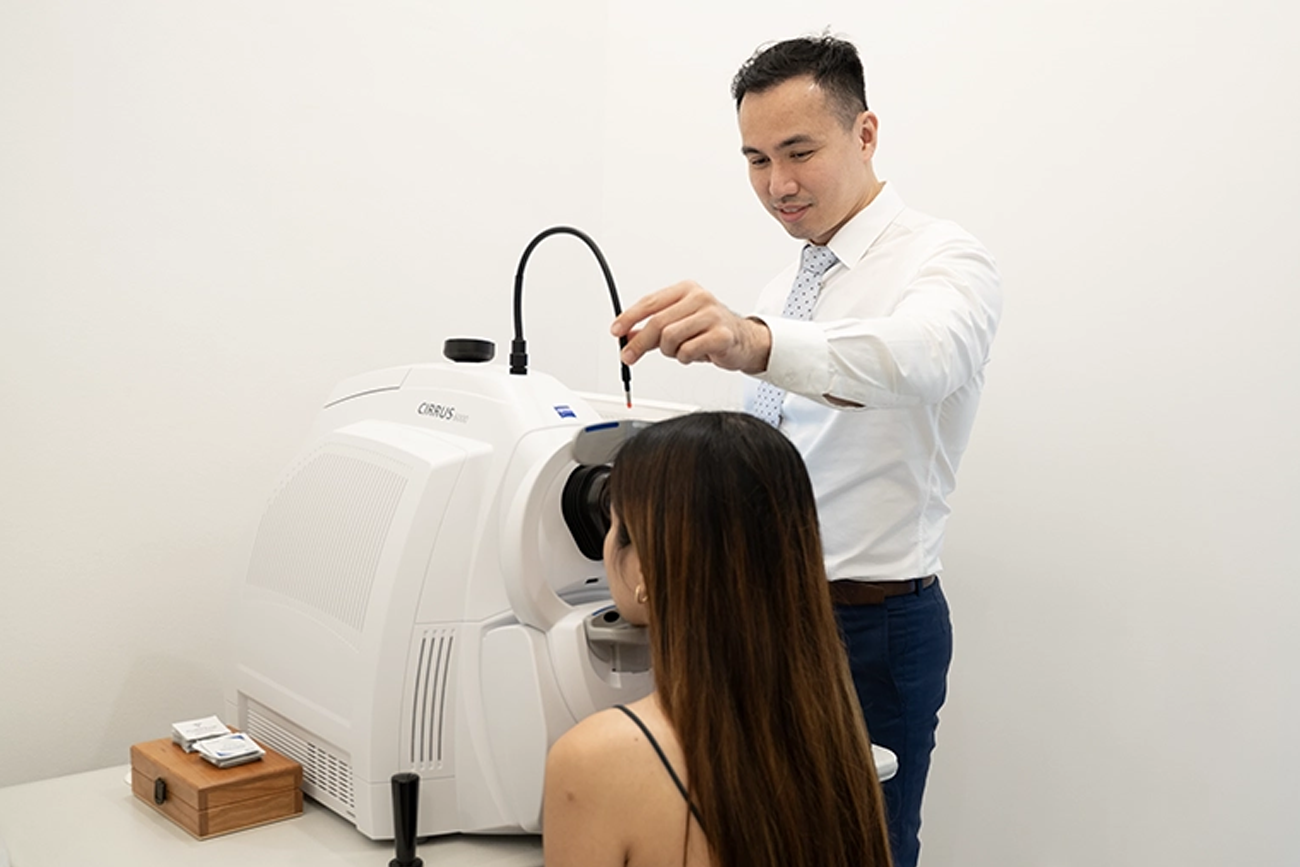
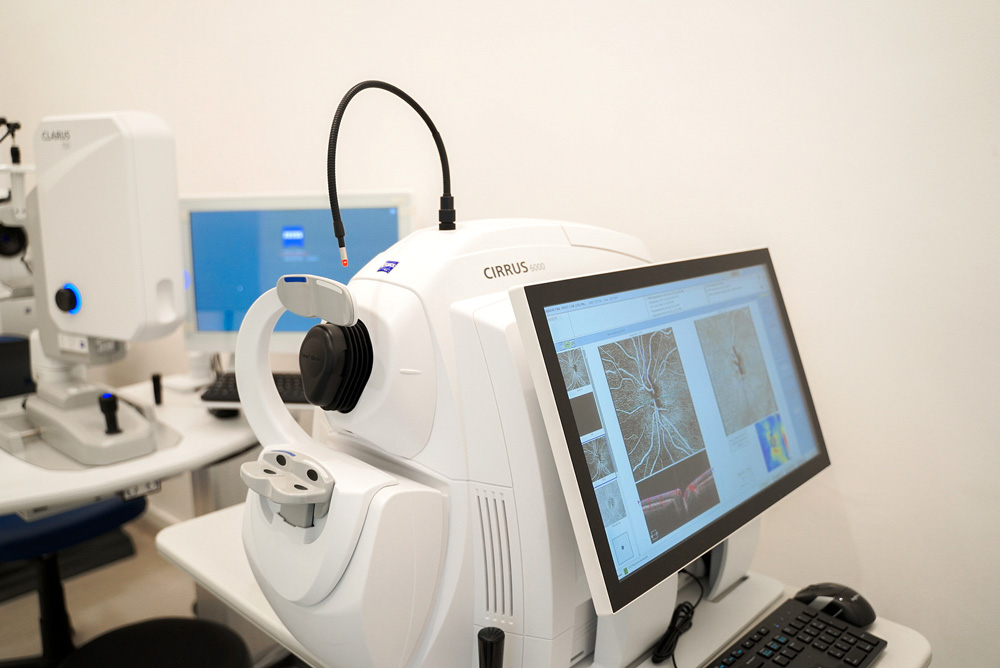
We harness the power of ophthalmic technology to deliver precise diagnostics, accurate treatments, and faster recovery times. From imaging systems to minimally invasive surgical tools, our investment in technology allows us to provide safe and effective eye care.

Committed to Patient Safety
Your safety is our highest priority. Every diagnosis and treatment we provide is evidence-based to ensure that each step of your care is not only effective but also held to a high standard of safety and quality.

Dedicated Service & Aftercare
For pre-surgery, we will discuss all possible treatment options and recommends the most appropriate one for every patient. For post-surgery, we provide aftercare, including follow-up consultations and treatment plans tailored to every patient to promote optimal recovery.
Insurance Partners
We are on the following Integrated Shield Plan Insurance Providers & Corporate insurance panels.
Our staff will assist with financial counselling, applications for pre-authorization, e-filing for cashless procedures, and documentation to facilitate insurance claims.


Are Cataracts Making Your World Blurry?
Frequently Asked Questions
Should I wait until my cataract is ripe or mature before having surgery?
That is a dated perspective which is largely not applicable for many individuals.
Cataract surgery can be performed when it is medically established that the lens clouding causes sufficient difficulty in the day-to-day activities.
Cataracts, if left too long, become very hardened. The surgery is riskier and the recovery time longer, if cataracts are left to this stage. Therefore, it is not advisable to leave cataracts for too long.
What does a consultation for cataract surgery involve?
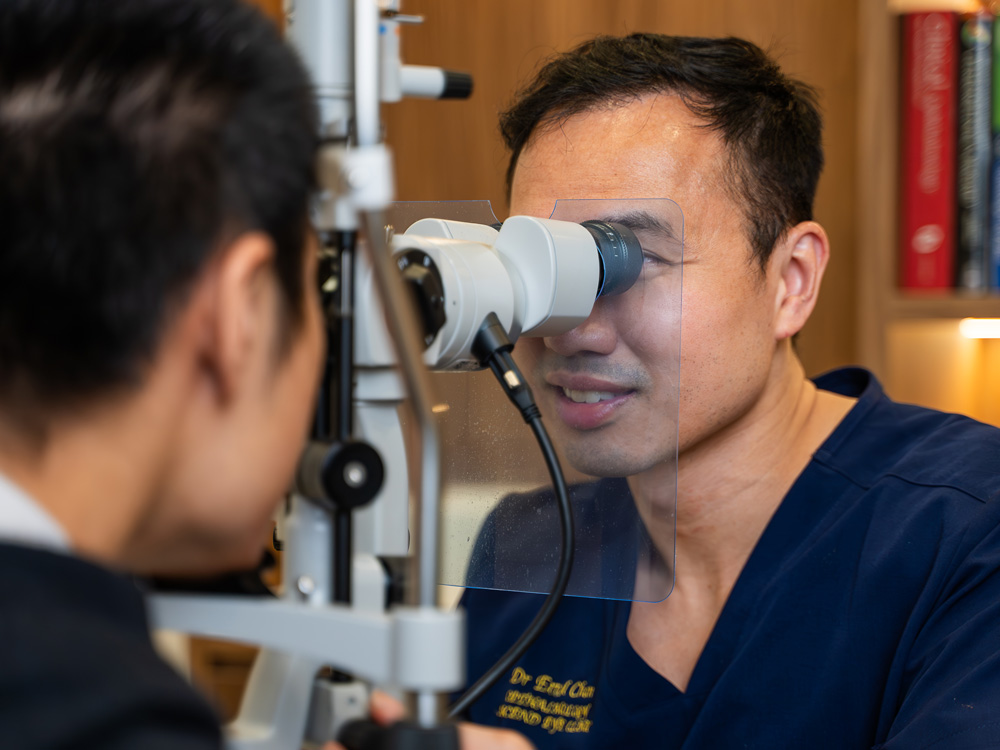
You will have a comprehensive and thorough eye examination, including diagnostic testing, to meticulously assess your eye.
Some of these measurements will include corneal topography and lens biometry, which will help accurately determine the lens implant powers to fully and precisely address astigmatism, myopia or hyperopia, and reading vision difficulties.
You will then consult with our eye specialist, who will review your results and discuss treatment options.
Before the surgery, you will be given pre-operative eye drops that will need to be instilled 2 days before the surgery. You will need to temporarily stop certain medications and fast for 6 hours before the procedure.
What should I do to prepare for cataract surgery?
Two days before surgery, you will be asked to start pre-operative eye drops.
You may need to temporarily stop certain medications and fast for 6 hours before the procedure.
Maintain cleanliness of the eyelid area as usual, and on the day of surgery, avoid any cosmetic products or perfumes in and around the eye area.
What is the recovery time after cataract surgery?
Will I feel pain during the surgery?
Cataract surgery is performed under local anaesthesia and sedation, ensuring minimal discomfort during the procedure. Most patients feel slight pressure, but it is typically pain-free.
Are there any restrictions on activities post-surgery?
Will my cataract come back after surgery?
No, the cataract is permanently removed during surgery. However, in some individuals, many months or years after surgery, what can happen is thickening and clouding of the capsule supporting the lens implant. This process does not affect the lens implant, which remains clear. This process is termed posterior capsule opacification.
The treatment involves a straightforward laser procedure known as a YAG laser capsulotomy, which takes 5 minutes or less, and is usually performed as day surgery. Vision clears up rapidly following the procedure.
Will I need an eye patch after surgery?
No, an eye patch will not be needed after cataract surgery. You will be advised to wear a clear eye shield over the operated eye when you are sleeping at night to protect your eye.
Cataracts Can Lead to Vision Loss
Get a comprehensive eye examination at Ascend Eye Clinic today!
Our clinic staff will call you within 24 hours to confirm your appointment. For urgent appointments, please call us at +65 8818 3788.